
Product Details

Key Features and Construction
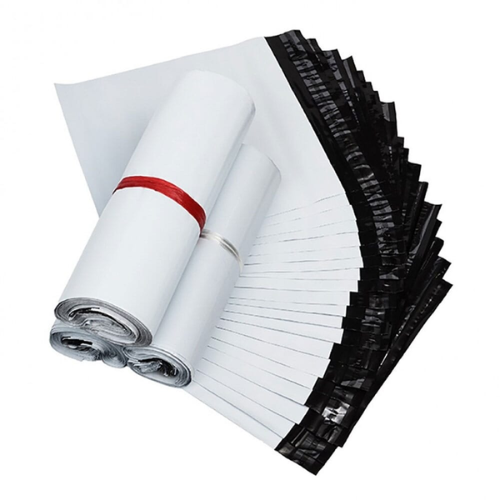
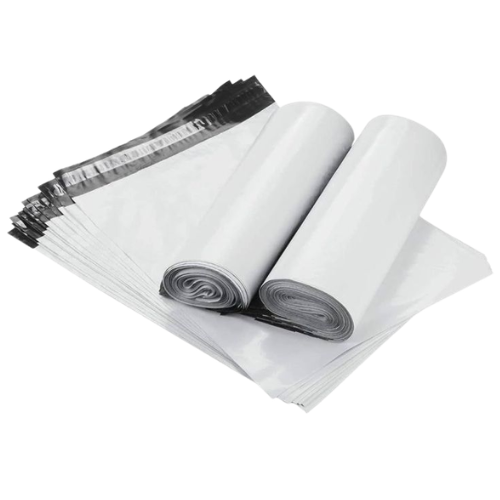
- Material: Most are crafted from Low-Density Polyethylene (LDPE) for flexibility and tear resistance, or High-Density Polyethylene (HDPE) for added strength and rigidity.
- Durability: They are designed to be waterproof, tear-resistant, and puncture-resistant, protecting contents from rain, dust, and rough handling.
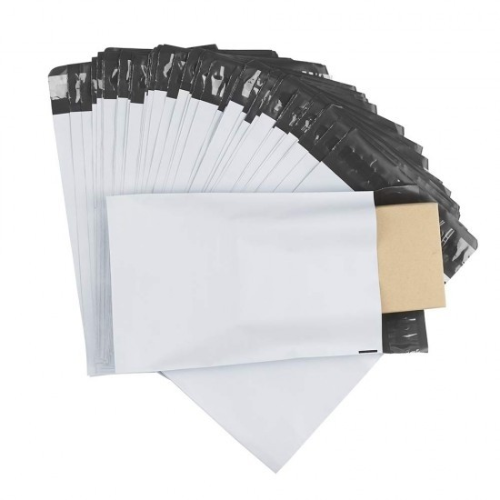
- Closure: Most feature a self-sealing adhesive strip that creates a tamper-evident seal; once closed, the bag cannot be opened without visible damage.
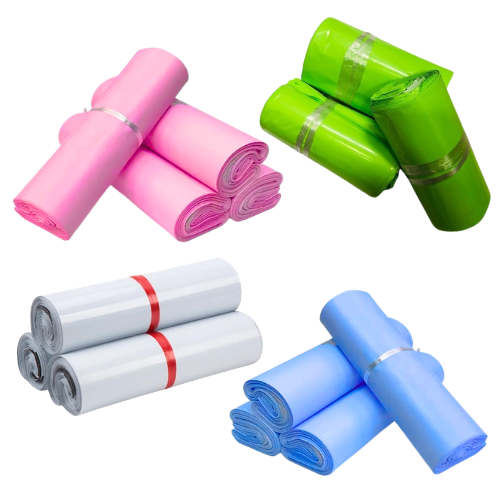
- Privacy: Many use co-extruded (multi-layer) films, which typically have a white or colored exterior for branding and a black interior to ensure the contents remain opaque and private.
Common Variations
- Standard (Layflat) Mailers: Thin, unpadded bags best for apparel and textiles.
- Bubble Mailers: Lined with an inner layer of bubble wrap for extra cushioning of semi-fragile items like small electronics or books.
- Expansion Mailers: Feature side or bottom gussets to accommodate bulkier items like hoodies, jackets, or shoe boxes.
- Eco-Friendly Options: Includes bags made from 100% recycled plastic, as well as biodegradable or compostable materials like cornstarch.
Benefits for Shipping
- Cost Savings: Their minimal weight helps reduce postage fees and avoids the dimensional weight surcharges often applied to bulky boxes.
- Storage Efficiency: They lie flat and take up significantly less warehouse space than cardboard boxes.
- Efficiency: The peel-and-seal mechanism speeds up the packing process compared to using boxes and tape.